Home Gym Equipment: What Is Worth Buying
By Answer Fitness editorial ·
A home gym is worth buying when it removes friction, not when it copies a commercial floor. Start with the lifts you already do, the space you can keep clear, and a load you can still add in six months. If a piece of gear does not change load, range of motion, or whether you show up, it can wait.
This is a buying order, not a product test. Prices, “we used this for 12 weeks,” and brand rankings are omitted on purpose. For the sessions that actually use the gear, see the dumbbell-only full-body workout and the full-body workout plan.
How to choose by how you train
Match the purchase to the work, not to a showroom photo.
- Strength, three days a week. You need a squat or hinge, a press, and a pull. Adjustable dumbbells or a kettlebell you can still progress cover most of that. A bench makes pressing honest. A bar and rack come later, when the dumbbells are the limiter.
- Conditioning around lifting. A rower, bike, or a place to walk beats a branded “HIIT machine.” Hard intervals need a way to go hard and recover, not another screen. Read HIIT before you buy a fan bike you will sit on twice.
- Mostly bodyweight. Floor space, a mat, and a way to hang or row (rings, a sturdy table, a doorway bar you trust) matter more than a folding gym that eats the room.
- A spare bedroom you share. Storage wins. Caps that stack, a bench that tucks, and a kettlebell that lives under a desk beat a cage you walk around on the way to bed.
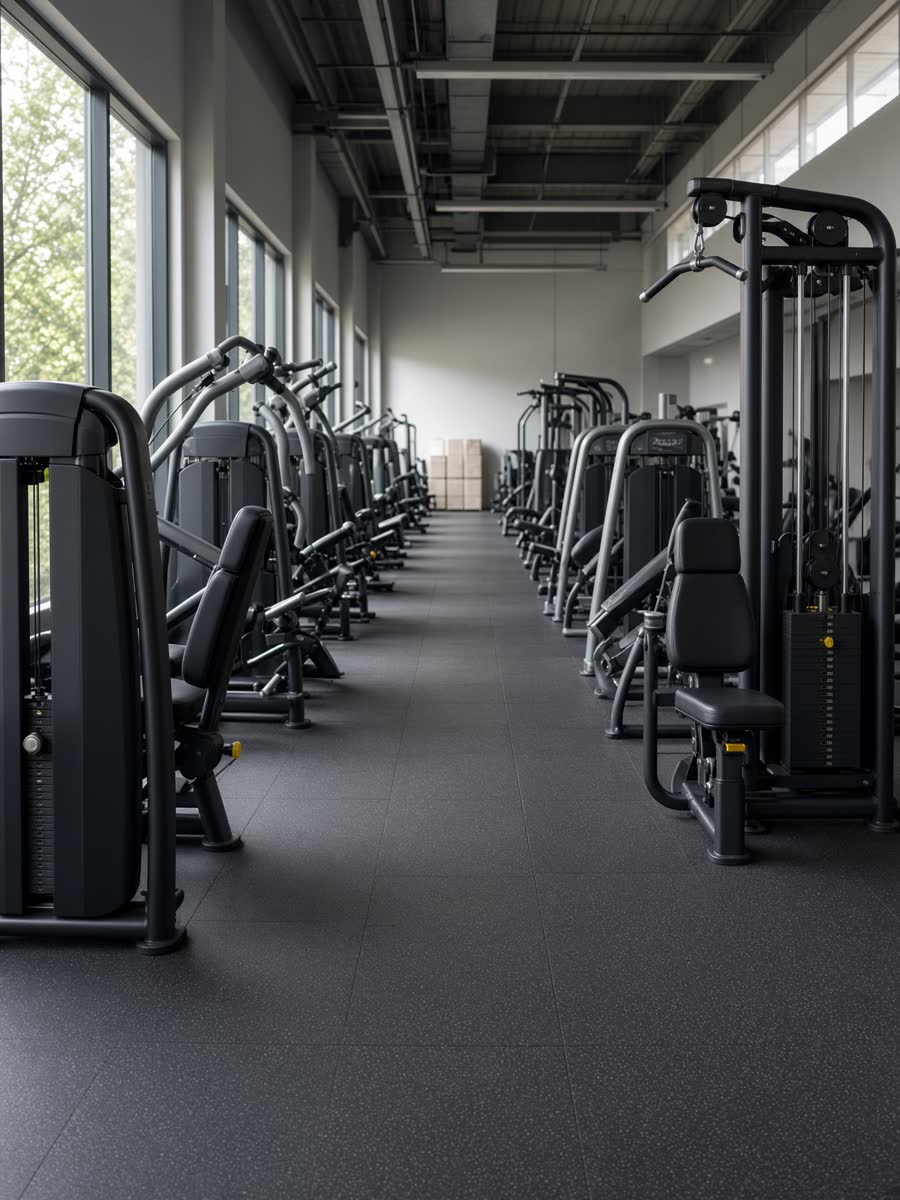
If you already like a commercial gym, buying a home setup “just in case” is how racks become coat racks. Keep the membership until home gear is getting used. The gym-choice guide is still the cheaper first decision for a lot of people.
Space and storage
Measure the room the way you will train, not the way the box is photographed.
- Leave ceiling room for a press and enough floor for a lunge without hitting furniture.
- Rubber tiles or a thick mat protect wood and quiet the neighbors. Concrete can take iron; apartments usually cannot.
- Plan a closed-door look. If gear has to live in the open, buy less of it.
- Do not block the only path through the room. A bench that folds or stands on end is more useful than a nicer bench you trip over.
What is worth buying first
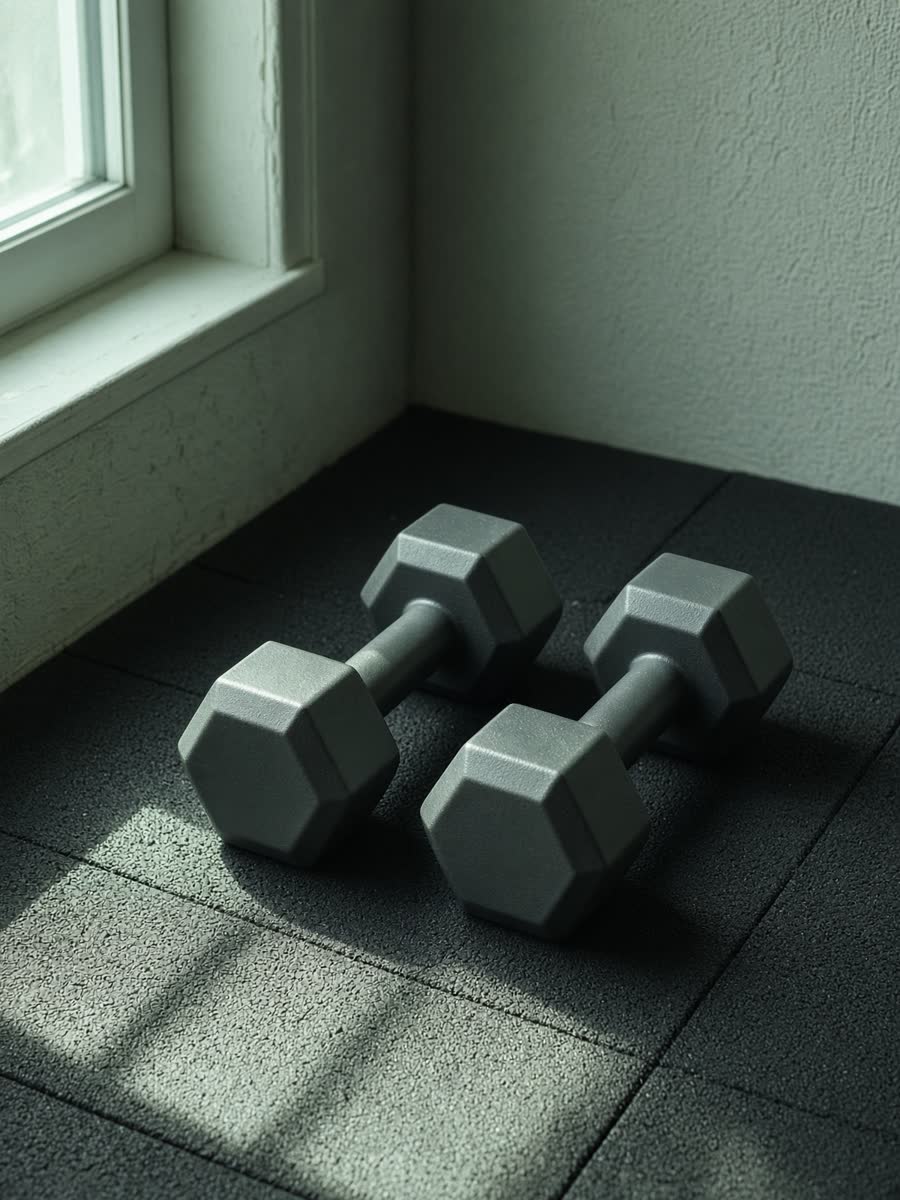
- Adjustable dumbbells or a kettlebell you can still make heavier. One pair that grows with you beats three pretty fixed bells you outgrow.
- Floor protection and a clear rectangle of space. This is equipment.
- A sturdy bench, flat at minimum. Incline is nice; wobble is not.
- A way to pull: rings, a cheap pulldown, inverted rows under a table that can take it, or a bar you have actually hung from.
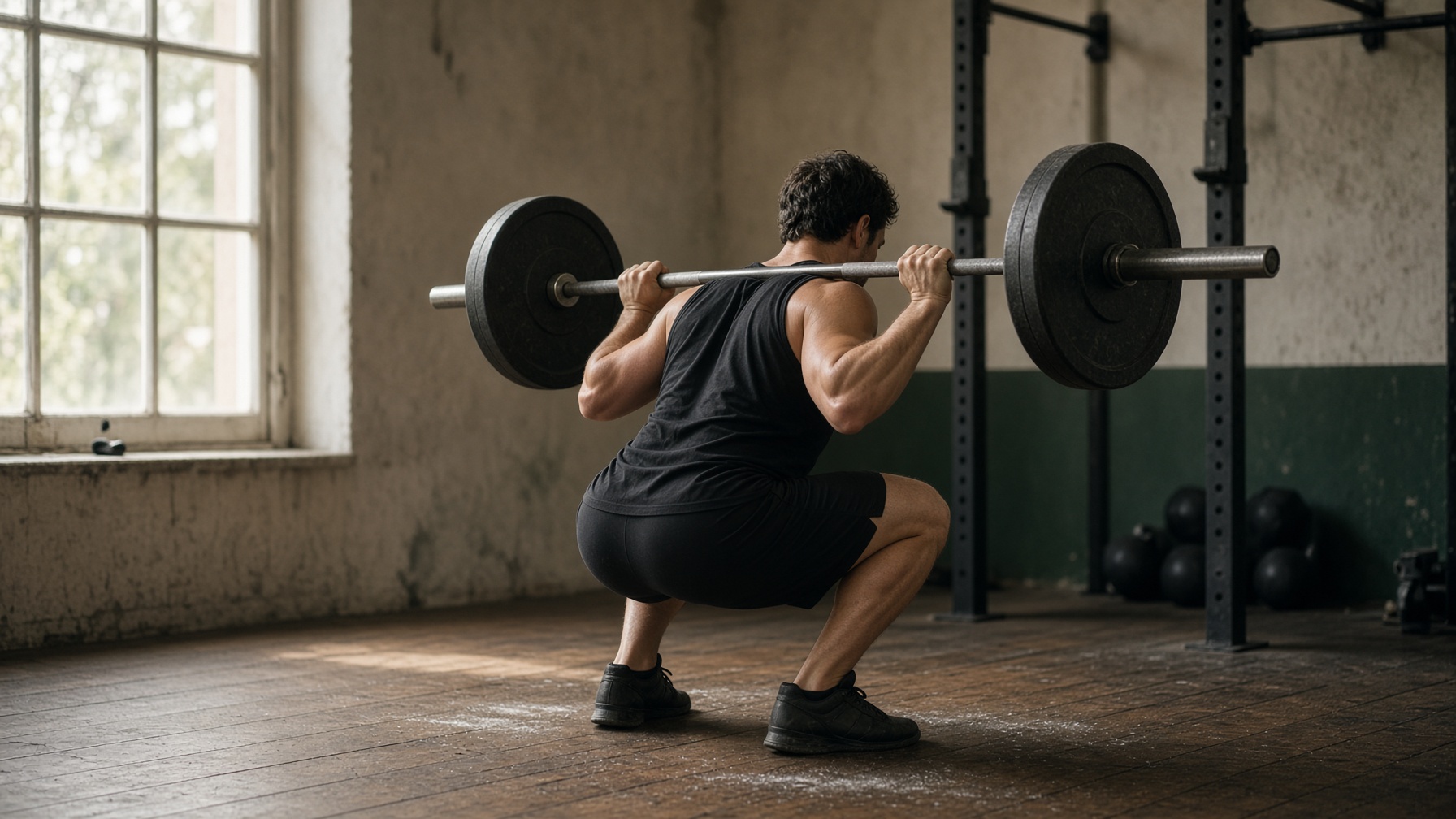
- A trap bar or barbell and rack only after the dumbbells are the limiter on squat and hinge.
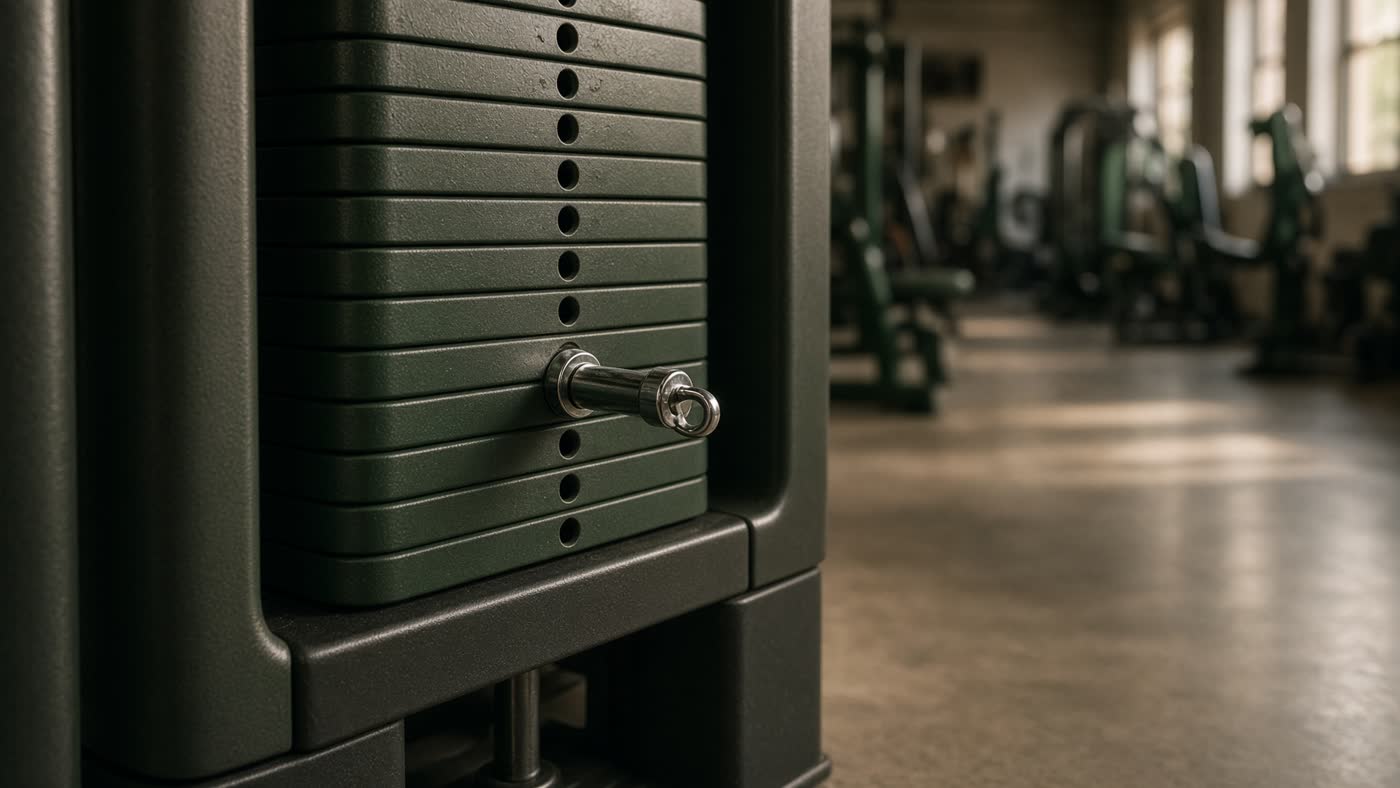
That list covers squat, hinge, push, and pull. Follow the dumbbell full-body until you outgrow it, then add iron, not accessories. If you train in a gym, the weight-machine guide covers the floor you already pay for.
Trade-offs of common options
No prices. These are use-case trade-offs you can check in person or on a spec sheet.
| Option | Helps when | Gets in the way when |
|---|---|---|
| Adjustable dumbbells | You need many loads in a small footprint | The mechanism is slow between sides of a set, or the jumps skip the load you need |
| Fixed dumbbells | You already know the loads and have floor or a rack | You buy a “set” and still lack the next five kilos |
| Kettlebell | Swings, squats, and carries in one tool | You only own one weight and cannot progress the lift |
| Flat bench | Pressing and supported rows | It flexes, rolls, or cannot be stored |
| Power rack and barbell | You already squat and hinge heavy | It is the first purchase in a room that cannot hold a failed rep safely |
| Bands | Warm-ups, assistance, travel | They are the whole program and never get heavier in a measurable way |
| Treadmill or fan bike | You will use it on the days you will not leave the house | It replaces a walk you already do, and eats the only training square |
What to check before you buy
- Load range and jump size. If the next increment is huge, you will stall.
- Footprint and stored footprint. Both numbers matter.
- Floor type, weight limit, and whether dropped weights are allowed where you live.
- Warranty and spare parts on adjustable systems. A unique plate is a dead dumbbell later.
- A failed-rep plan on anything you put on your back. If you cannot dump the bar, do not copy gym loading at home.
- Noise. Metal on metal is why downstairs neighbors hate home gyms.
What can wait
This site once ran long reviews of the Perfect Pushup, Under Armour shoes and ColdGear, and “activewear advantages” pages that were really coupon posts. The short version:
- Push-up handles — optional wrist comfort. The floor still works. Do not buy a system to avoid learning a plank.
- Training shoes — a stable, low-stack pair for lifting; anything you will walk in for cardio. You do not need a branded “proto trainer.”
- Apparel — clothes you will sweat in and wash. Compression and logos do not add kilos to the bar.
Buy toys with leftover money, not before the dumbbells.
Updated September 2026. Not medical advice. No prices or product tests are claimed here.
Questions people ask
- What home gym equipment is worth buying first?
- A pair of dumbbells or a kettlebell you can still make heavier, floor space, and a way to row or hang. A bench is next. Skip branded gadgets until those are the limiter.
- Do I need a squat rack at home?
- Not at the start. A rack is worth it when dumbbells or a kettlebell no longer load your squat and hinge. Buy it for the lifts you already do, not as decoration.