The Skinny on Protein, Carbohydrates and Fats
By Answer Fitness editorial ·
Calories still run the scale
Fat loss needs a deficit. Muscle gain is easier in a small surplus. Macros are how you feel and perform inside that budget — not a magic bypass. See calorie targets.
Protein
For people who lift, a useful range is 1.6–2.2 g per kilogram of body weight per day (about 0.7–1.0 g per pound). Spread it across 3–5 meals if you can. You do not need a shake, but whey is a convenient, complete protein.
High-protein meals help you stay full in a deficit and help you keep muscle there. They do not “melt fat” on their own.
Carbohydrates
Carbs are not the enemy. They fill muscle glycogen and make hard sets possible. How many you need depends on the rest of the budget and how much you train. Low-carb can work because it often cuts calories, not because pasta is poison.
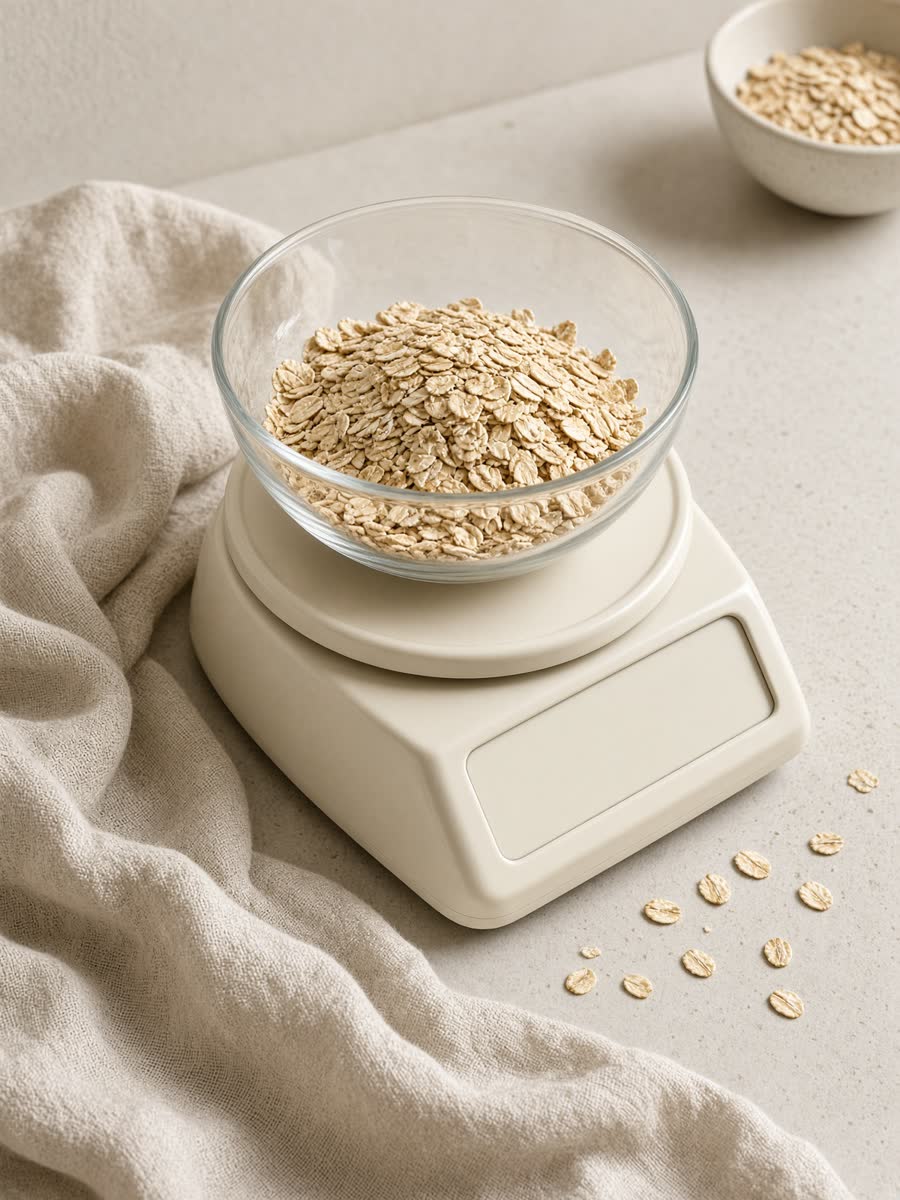
Prefer fiber-rich carbs most of the time: potatoes, rice, oats, fruit, beans. Keep the dessert, just count it as part of the day.
Fat
You need some dietary fat for hormones and to absorb fat-soluble vitamins. A floor around 0.6–1.0 g per kilogram is a reasonable place to land unless a clinician told you otherwise. Olive oil, nuts, dairy, eggs, fatty fish beat a deep-fryer-only menu. Extremely low-fat diets are rarely worth the misery.
A plate that works
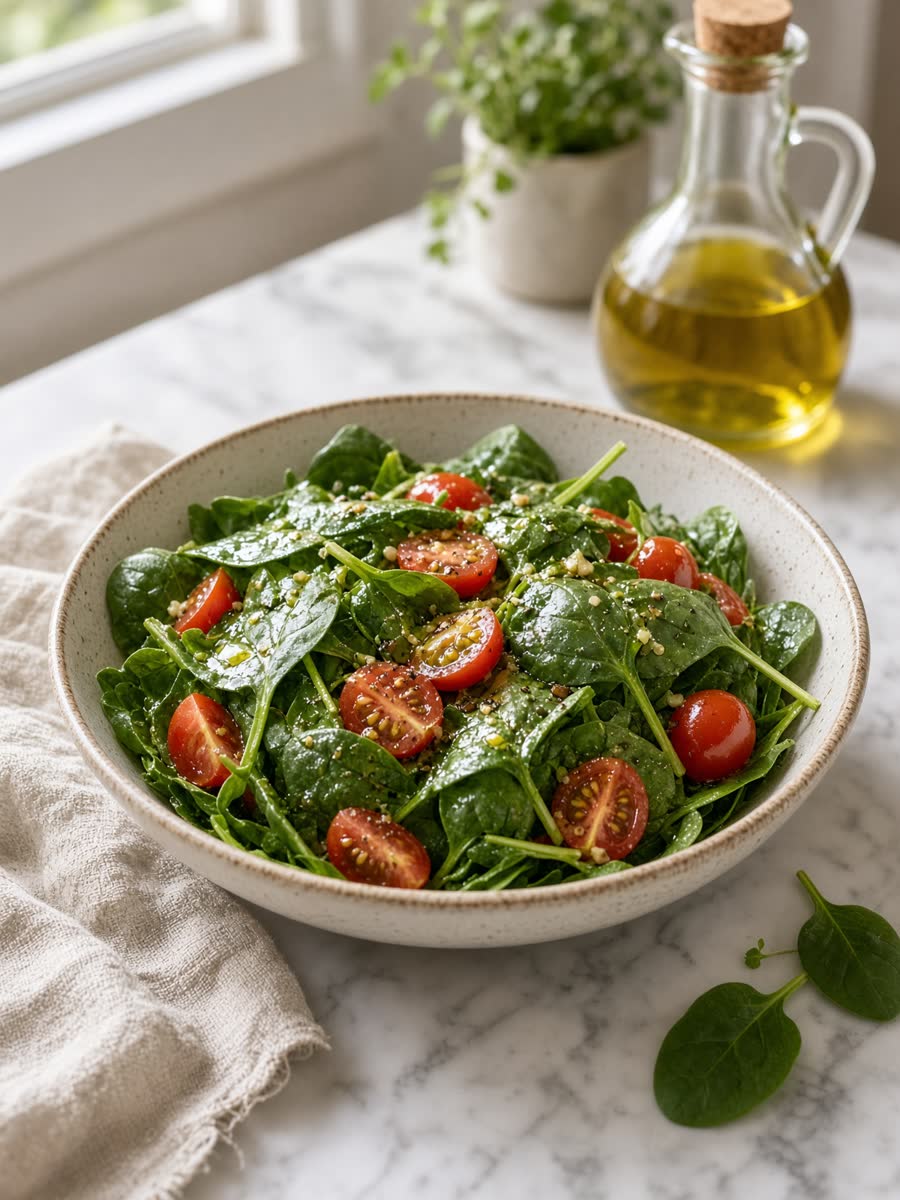
Protein the size of your palm (or more if you are large or very active), a fist or two of carbs around training, veggies for volume, and a thumb of fat. Adjust portions to the scale trend over weeks, not overnight.
Do you have to eat by the clock?
Total protein in the day matters more than a 30-minute “anabolic window.” A meal with protein within a few hours of training is plenty for most people. If you train fasted at 6 a.m. and cannot eat until 9, you will survive. Get the day’s protein in.
Alcohol, fiber, and the boring extras
Alcohol is extra calories and worse sleep. Fiber (vegetables, beans, oats, fruit) helps the deficit feel less like a scam. Creatine monohydrate at 3–5 g a day is still the supplement with the cleanest evidence; it is not a macro, and you do not need a branded matrix.
If a plan bans entire aisles but cannot tell you your calorie range, it is a personality test, not nutrition.